
Name
Name is a <school> graduate, with a <degree> in <Field of Study>. She enjoys <hobby>.
Name
Name is a <school> graduate, with a <degree> in <Field of Study>. She enjoys <hobby>.

Name
Name is a <school> graduate, with a <degree> in <Field of Study>. He enjoys <hobby>.
Name
Name is a <school> graduate, with a <degree> in <Field of Study>. She enjoys <hobby>.
Name
Name is a <school> graduate, with a <degree> in <Field of Study>. She enjoys <hobby>.
Name
Name is a <school> graduate, with a <degree> in <Field of Study>. He enjoys <hobby>.
Name
Name is a <school> graduate, with a <degree> in <Field of Study>. He enjoys <hobby>.
Name
Name is a <school> graduate, with a <degree> in <Field of Study>. She enjoys <hobby>.
began a planning process that would result in the construction of a third runway at the Seattle-Tacoma International Airport. As part of its planning process, the Port identified properties for demolition adjacent to the proposed third runway, among which was the home and garden of Elda and Ray Behm.
Elda began planting her garden in the early 1960s on a shy acre located on a bog which sat in the shadow of the proposed third runway. The Port of Seattle negotiated with the Behms to purchase their property which would result in demolition of the house and garden.
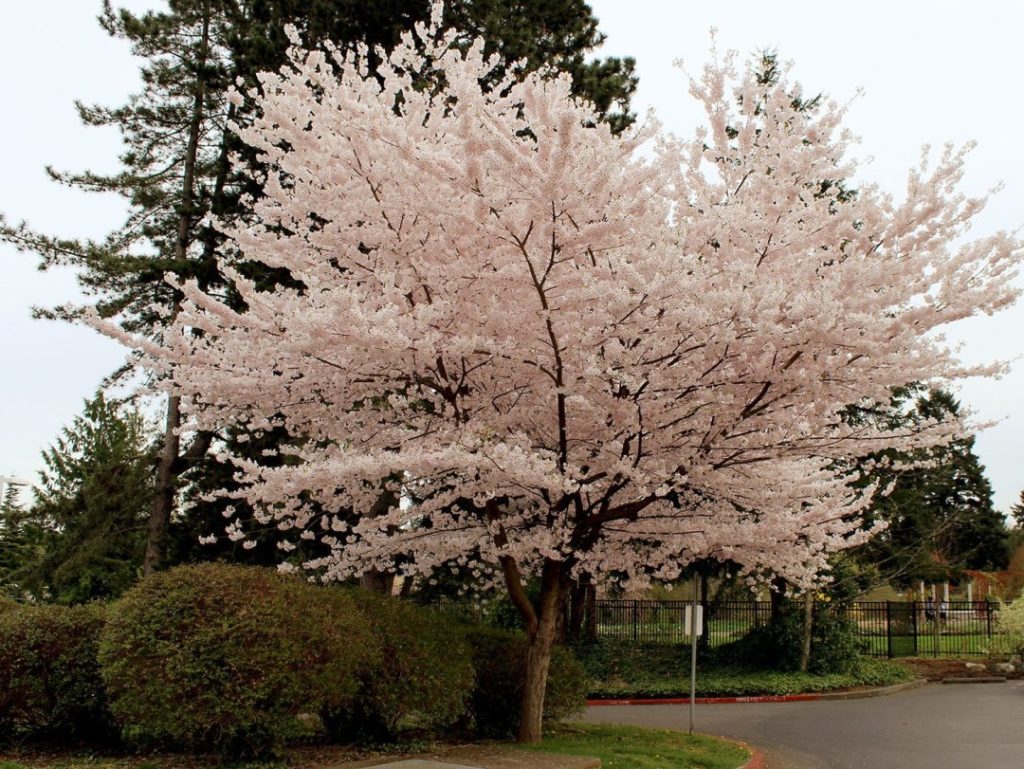
in the Burien and SeaTac communities came together to save the garden. Through the assistance of Stephen Lamphear, then a Burien City Council Member and numerous other volunteers, the concept of a regional public garden blossomed. Through the leadership of Mr. Lamphear, the Highline Botanical Garden Foundation was incorporated, a Board of Directors formed, and an agreement was established with the City of SeaTac to develop 11 acres in North SeaTac Park into a public garden which would become the Highline SeaTac Botanical Garden. He and Kay Lasco, who would later become a SeaTac City Council Member, developed a business plan for the early days of the Foundation, and enlisted the help of local volunteers to begin the process of re-locating Elda’s Paradise Garden from her home to the new public garden.
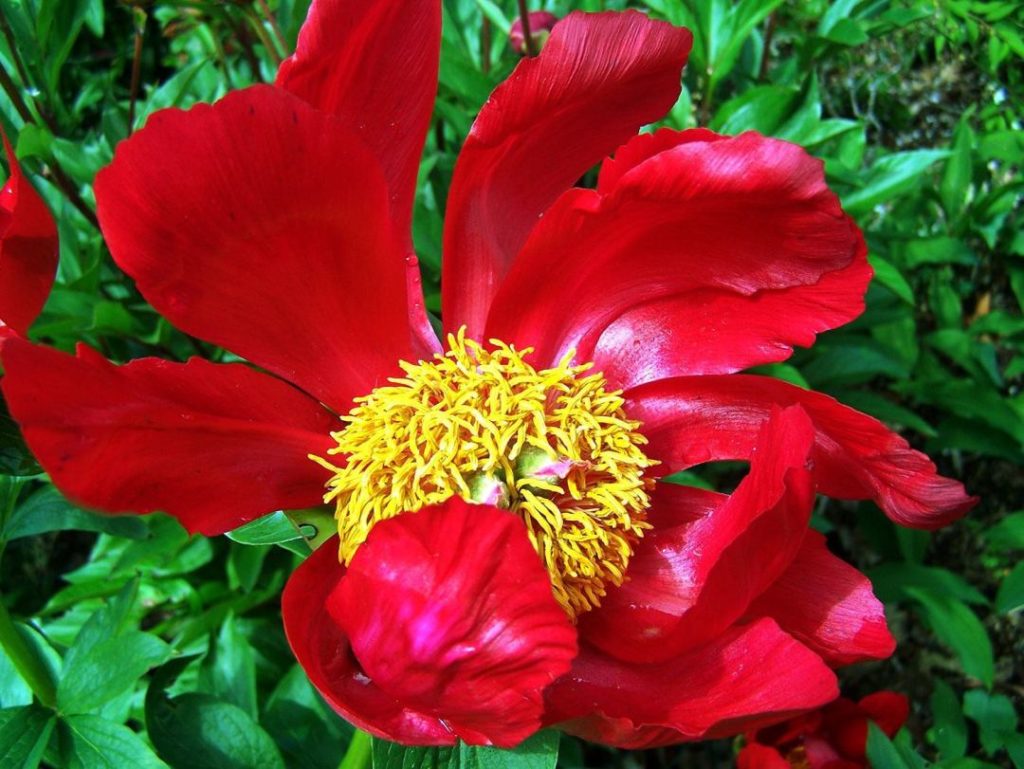
was ironically also affected by the Airport’s development. In the 1950’s a neighborhood of homes on the site were purchased by the Port of Seattle and demolished to create a safety zone for the first runway at SeaTac Airport. Shrubs and orchard trees remain on the site today as a reminder of the original homes located there.
Another local volunteer, Greg Butler was working on his degree in landscape design from the University of Washington. He developed the Garden’s initial master plan as part of his graduation requirements. The master plan provided a design into which the Paradise Garden could be transplanted as plants were moved from the Behm home to the new location.
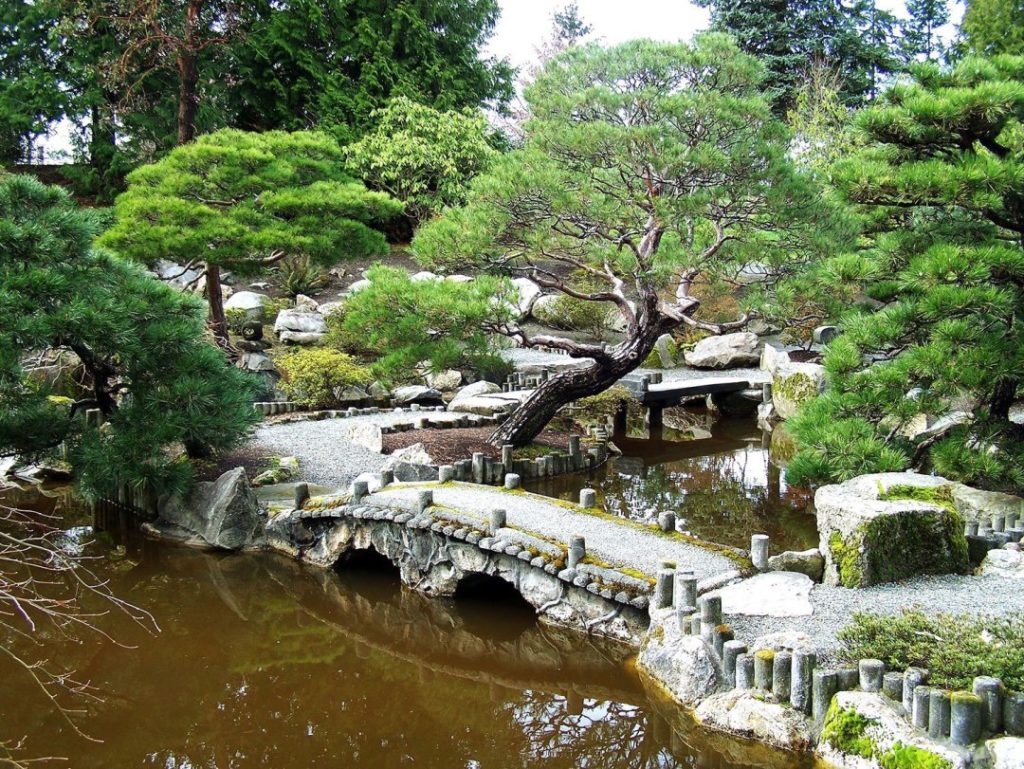
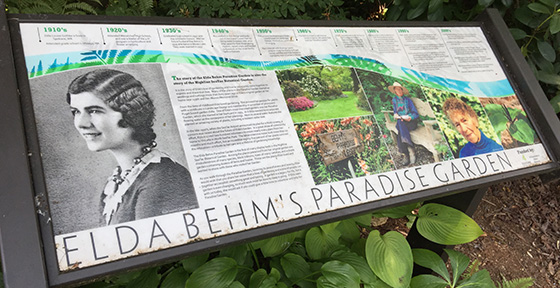
collection included native species, many kinds of Rhododendron and other interesting plants. She worked tirelessly along with her good friend, Jolly Eitelberg and continued to return to the Garden to work into her 92nd year. Elda was determined to have a water feature in the Paradise Garden because she had enjoyed one at her home. She worked with the Board of Directors and John Russell of Russell Water Gardens to install a re-circulating stream with four waterfalls and a pond. The water re-circulates to create an ecologically balanced water feature. Her last project in the Garden was the installation of a Shade Garden. She and Jolly created a pathway within the Paradise Garden that features ferns, hostas, trilliums and other shade-loving plants. Elda died in 2008 at the age of 94. In early 2012, an interpretive sign honoring Elda and telling the Paradise Garden story was dedicated in the Paradise Garden.