
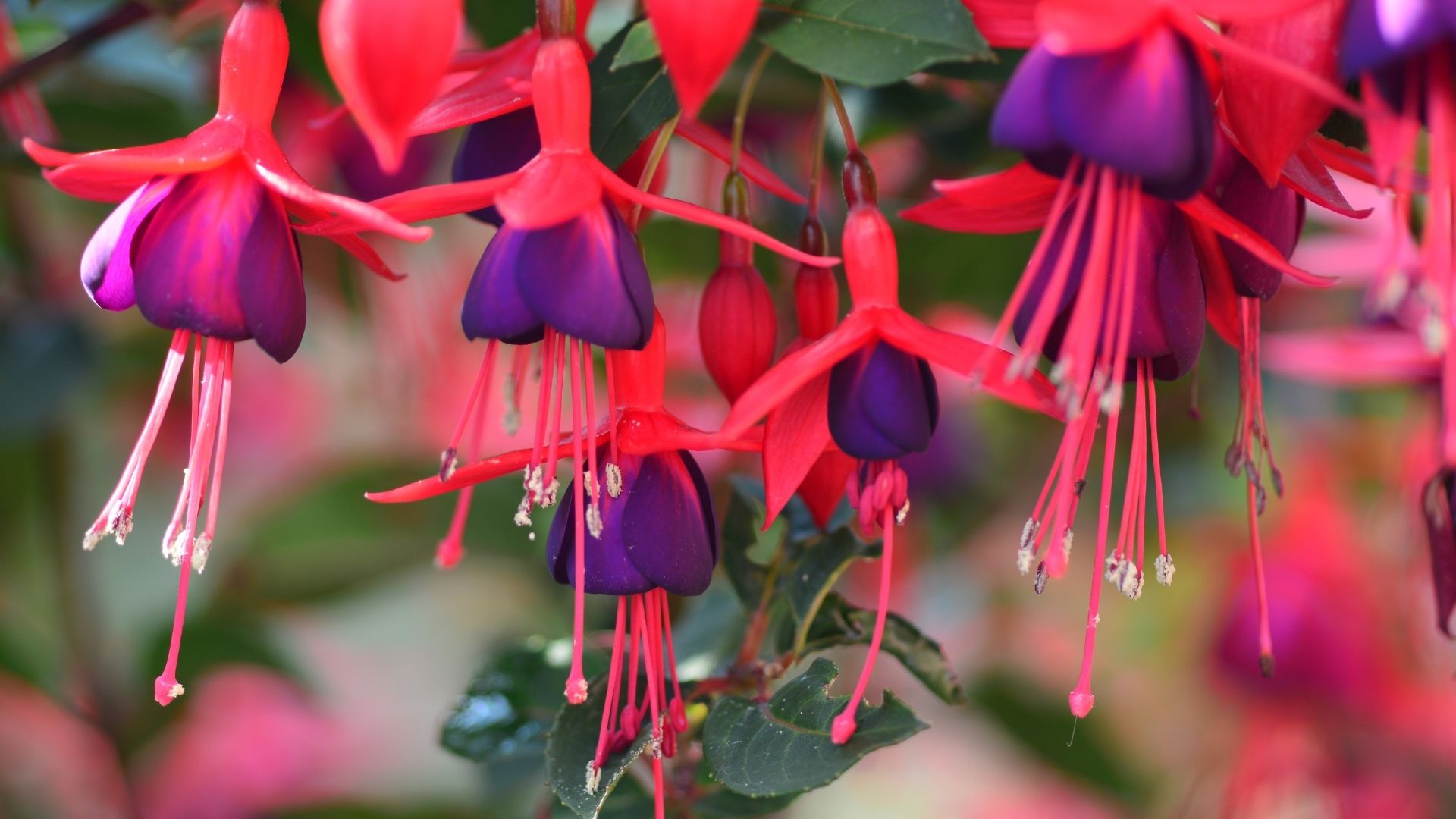
The newest club to claim a space in the Highland SeaTac Botanical Garden is the Puget Sound Fuchsia Society, Western Washington’s oldest group of fuchsia enthusiasts. A site has been selected near the south end of the Rose Garden.
The Society’s Hard Fuchsia Display Garden was established to demonstrate the variety of fuchsia plants that can be easily grown in Northwest Gardens. Included in the display are a number of upright and trailing fuchsias, many of which are quite spectacular and some very unusual.
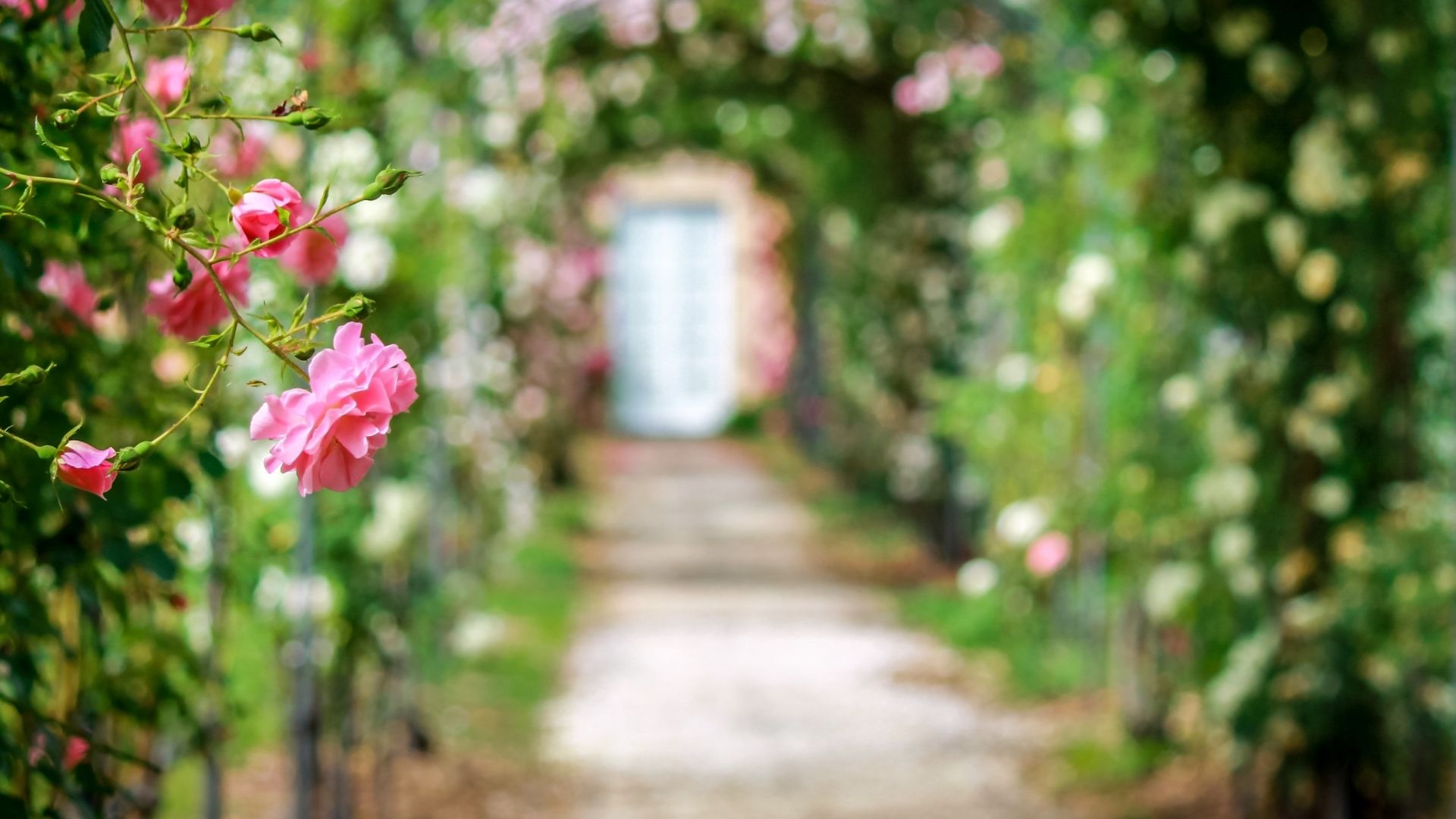
Under the leadership of Lori White, the third club to join the Club and Society Beds portion of the Highline SeaTac Botanical Garden was the Seattle Rose Society. The Celebration Rose Garden is located just east of the Paradise Garden.
The space is a beautiful, fragrant public gathering place suitable for celebrations of every kind — as well as a teaching and working border where local rosarians give demonstrations on selection, cultivation, and care.
Seattle’s Rose Society Celebration Rose Garden is maintained by Jeff Wyckoff, President of the Seattle Rose Society. Members of other local rose societies are encouraged to join us. The roses are maintained organically, and the only products applied to the roses are Messenger, compost, and love.
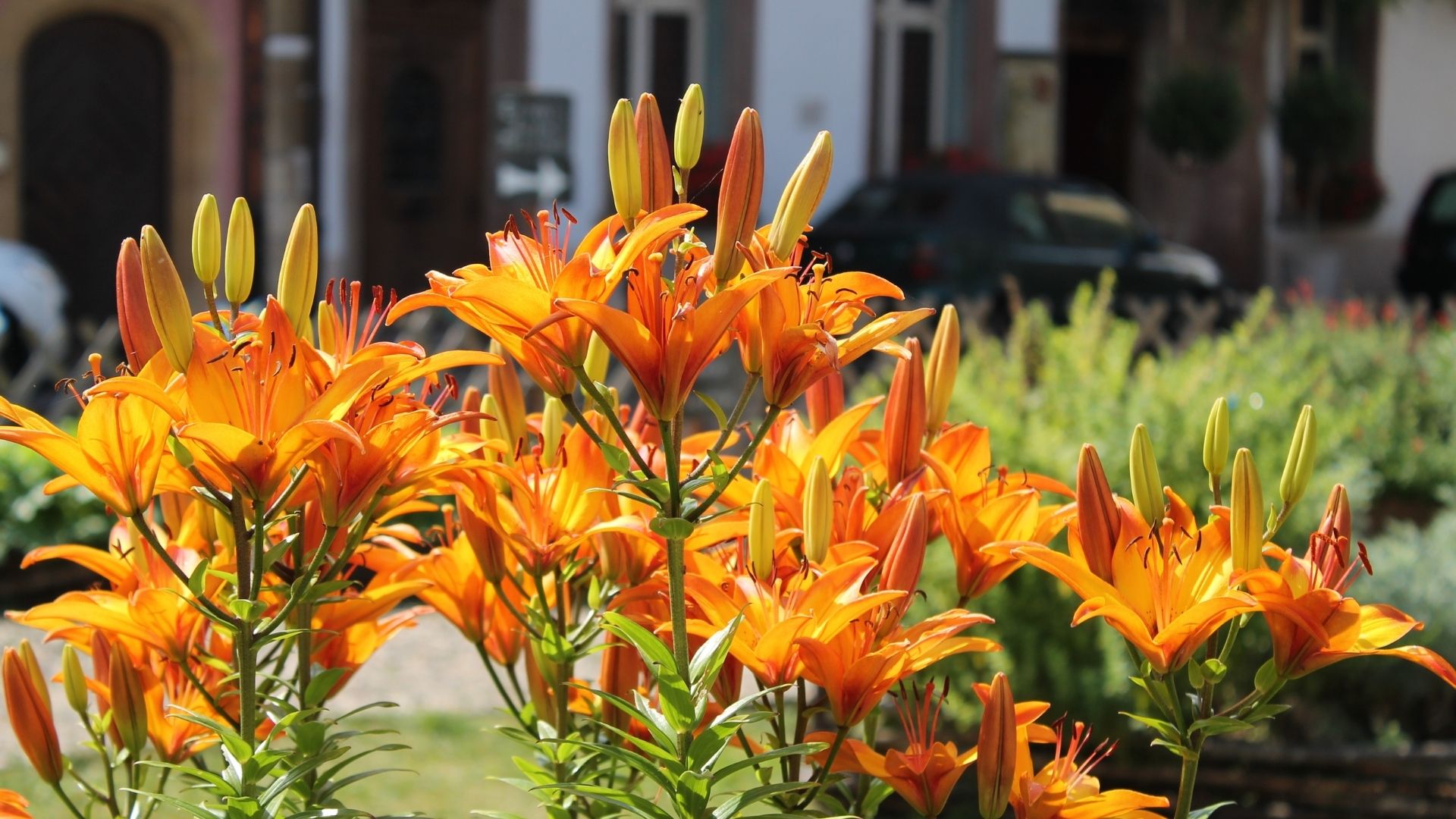
The second club to join the Club and Society beds area of HSBG was the Puget Sound Daylily Club (PSDC). The PSDC is affiliated with the American Hemerocallis Society, which has designated this as an official AHS Display Garden. For more info on the AHS, visit their website.
The working concept for the PSDC bed is an emphasis on good garden plants, rather than the latest “new-to-the-catalog-this-year” cultivars — although the new and delightful won’t necessarily be excluded. Club members Ken Foster, Lisa Hilderbrand, and Garry Fanthorpe worked together to design an approximately 500-square-foot bed just to the left of the entry path. Ground was broken in 2004, and the installation was substantially complete by summer of 2005. In 2014, the Daylily display bed added a new section along the North fence of the botanical garden.
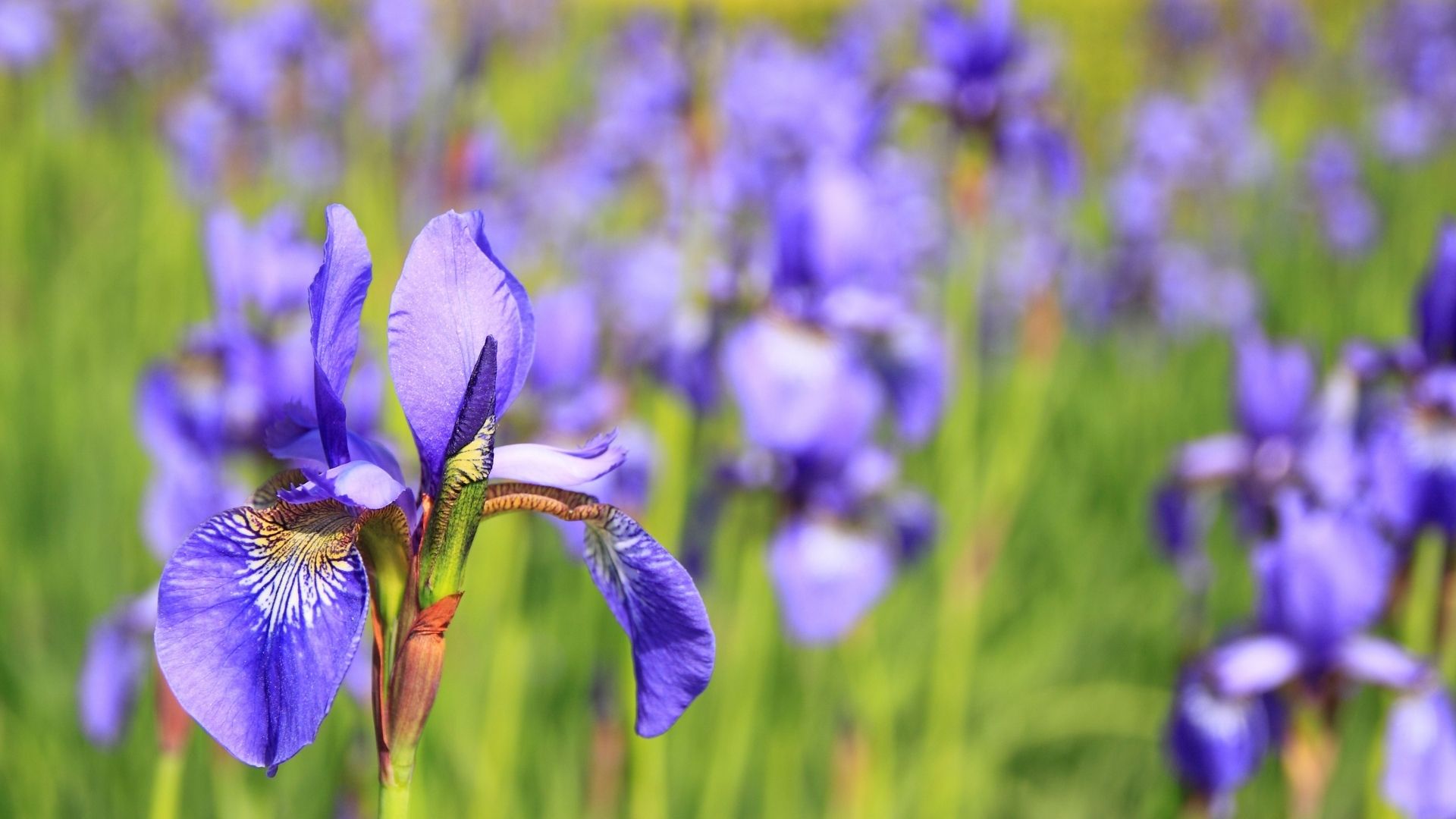
The King County Iris Society (KCIS) was the first club to claim a bed in the “Society Beds” east of the Highline SeaTac Botanical Garden’s (HSBG) main boulevard. In the spring of 2002, the HGBS invited the KCIS to plant a 500-square-foot area near the garden entrance.
The planting initially featured a selection of all classes of bearded iris (miniature dwarfs, dwarfs, intermediates, border, miniature tall, talls and historics). Recently this has been expanded to include some beardless iris as well. Peak of bloom is from mid-May throughout June and into July.
The KCIS has been a part of the Puget Sound gardening scene for more than 50 years. It is affiliated with the American Iris Society. Members are interested in both beardless and bearded iris. In a typical year, the KCIS has a show in May or June, and a plant sale in August or September. The KCIS also participates in the HSBG’s annual May plant sale.
To volunteer with the King County Iris Society, visit the KCIS website Home Page. The KCIS also hosts monthly meetings and garden tours. Guests are always welcome. For more information, visit the KCIS Home Page.
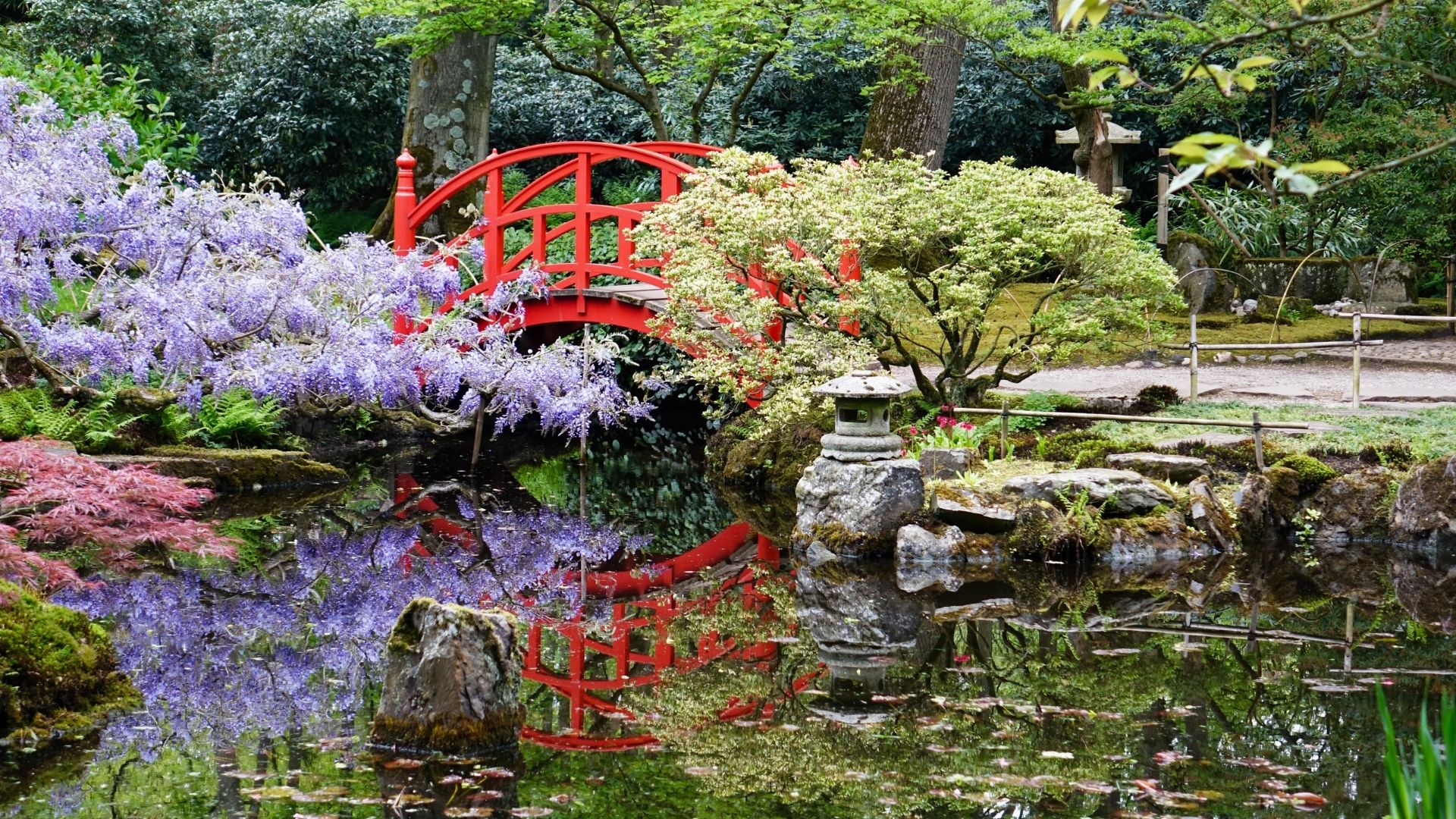
Opened in June 2006, the Seike Japanese Garden is another one of the Highline SeaTac Botanical Garden’s great treasures. It is located down the hill just past the Daylily and Iris beds.
This beautiful garden was previously located at the former site of the Des Moines Way Nursery in the city of SeaTac. In danger of being sold due the expansion of SeaTac Airport, the garden was saved by four different governments and the Highline Botanical Garden Foundation. The project to save the garden is believed to be the largest relocation of a Japanese Garden ever attempted in the United States. Here is the Garden’s inspiring story:
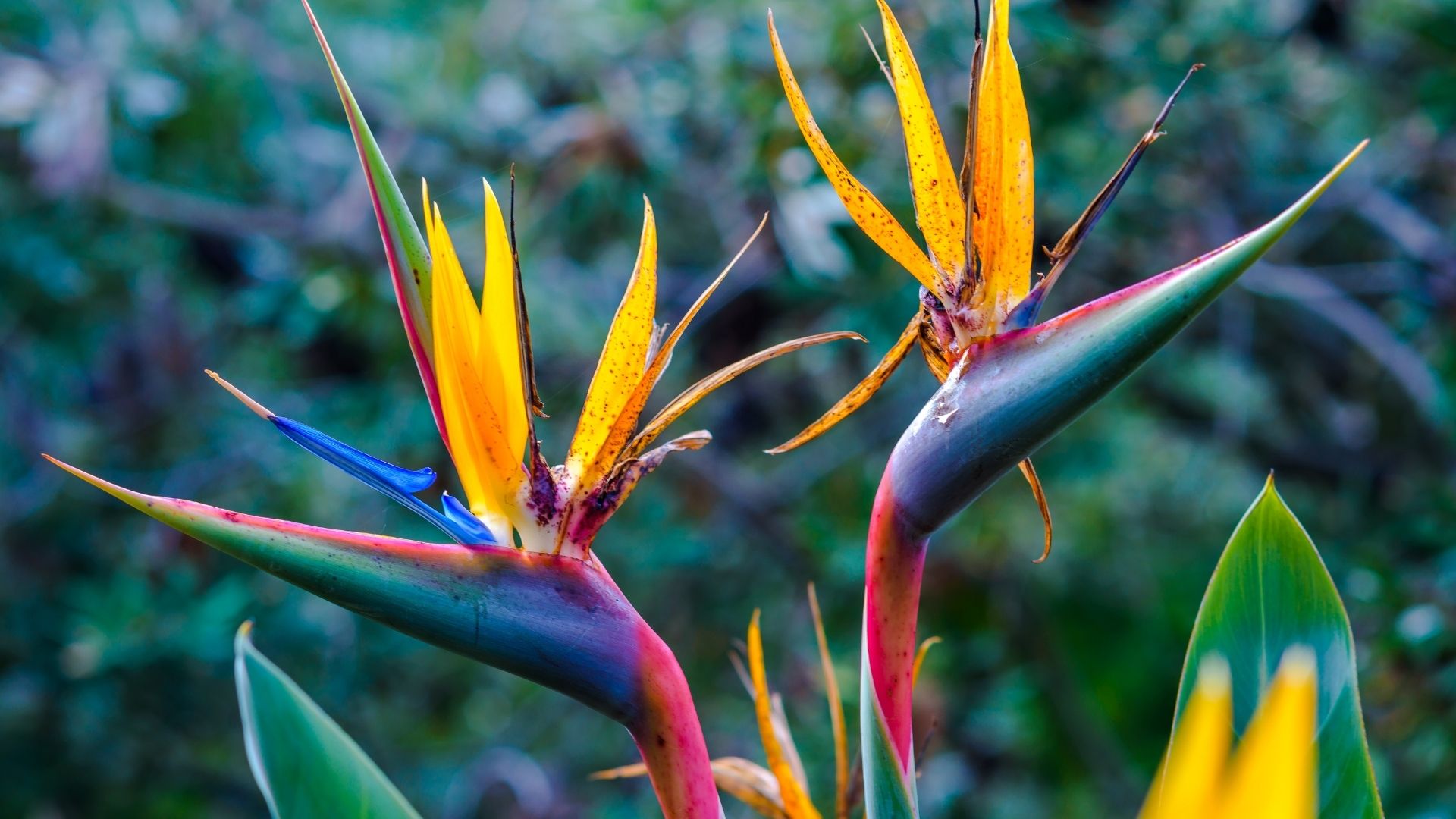
Elda Behm’s Paradise Garden is a 1-acre symbolic re-creation of Elda’s Behm’s original Paradise Garden. One of the garden’s crown jewels, the Paradise Garden is located at the entrance of Highline SeaTac Botanical Garden. The water feature is centered around a huge cedar root salvaged from Elda’s previous pond garden and a massive glacial erratic found during pond excavation.
Elda’s original garden was condemned in 1997 to make way for the Port of Seattle’s third runway at Sea-Tac Airport. Spearheaded by local City Council member and avid gardener Stephen Lamphear, a foundation was formed to save the garden. In the winter of 2000-2001 more than 200 volunteers, the Port of Seattle, and the City of SeaTac teamed up to relocate the thousands of plants Elda had grown from seeds and cuttings to the new Highline SeaTac Botanical Garden.
In 2018, the City of SeaTac in partnership with the Highline Botanical Garden Foundation contracted with Site Workshop to complete a master plan for the remaining 5 ½ acres of undeveloped property that is part of the original agreement with the City for a public garden.
Site Workshop, a Seattle-based landscape architectural firm was selected to work with community stakeholders, City staff and members of the Foundation Board of Directors to develop a plan. Site Workshop, best known for its development of the Amazon Spheres in Seattle, are advocates for the artful transformation of public spaces. They work in a collaborative process including community engagement, site design, concept development, presentation drawings and conversations which have resulted in an imaginative master plan for the site’s future expansions.
A conceptual drawing of the master plan appears below:
 As the site map indicates, the major features of the Master Plan include the following:
As the site map indicates, the major features of the Master Plan include the following:
- The visitor center as a catalyst for growth: The visitor center is planned for the Southeast end of the Garden property with access off 24th Avenue South and some limited parking. The Center as proposed will include 1 or 2 large meeting rooms with multiple uses like receptions, weddings or classroom use, public bathrooms, a gift shop, some offices and record storage space. The visitor center will have the capacity for programs, conferences and community use encouraging local residents and visitors to the area to visit and enjoy the Garden.
- Adjacent Event Meadow: Near the visitor center, the event meadow can provide outdoor formal and informal meeting space.
- Showcase for sustainable development best practices: This is space designated for demonstrations of innovative gardening techniques.
- Canopy walk and Woodland restoration celebrating ecological succession with Pacific Northwest plants: This can provide an overhead view of the forested section west of the Paradise Garden with views of the woodlands, birds, and other features.
- Restored Wetland and boardwalk: West of the Paradise Garden, there is currently a storm water retention pond that can be developed into a restored wetland surrounded by a boardwalk.
- Amphitheater and performance space: This is a terraced outdoor seating area which would be built at the Northwest corner of the undeveloped property.
- Nature Play: This is the proposed children’s garden area south of the current plant propagation site and greenhouse. Using natural structures and natural settings, this is proposed to be a children’s garden.
- Foundation Ruins Garden: This area at the Southwest corner of the Gardens would be cleared of invasive plantings and pathways around the foundations and steps of former houses that once existed on the property.
- Expanded Pea-Patch and community pavilion
- Apiary
- Entry Sign and way-finding signs
- Additional Display Gardens
- Seike Gateway and Expansion